In a world where eco-responsibility and savings have become paramount, gardening is no exception to this trend. Green enthusiasts seek to cultivate their green spaces in a way that respects the environment while managing their budget. This involves innovative and traditional practices, ranging from rainwater harvesting to creating homemade compost. Permaculture techniques, the use of open-source seeds, and efforts to combat waste are also popular avenues for more virtuous gardening. Cultivating a vegetable garden or maintaining a garden by adopting these principles allows for a reconnection with a more natural and authentic life cycle.
Strategies for both economical and environmentally friendly gardening
Observing the garden is the first step to sustainably anchor any horticultural practice. Knowing your soil, sunny and shaded areas, and native plants allows for wise planting and reduces the need for artificial interventions. Advocate for the installation of labeled plants, locally sourced and equipped with ecological labels, which guarantee their low impact on the ecosystem and their adaptation to the land.
The issue of biodiversity is essential: promote it by creating different spaces for various uses. Maintain less managed areas where local wildlife and flora can thrive. This contributes to a natural balance that reduces the need for pesticides and chemical fertilizers. On another note, limiting nighttime lighting preserves the darkness essential for the life of many animals and insects while helping to reduce energy consumption.
Regarding watering, integrate drought-resistant plants and prioritize efficient watering techniques to save water. Consider where to find mulch for free, for example from municipal services that shred branches from pruning, and use it to retain soil moisture. Consider garden waste as valuable resources: recycle them into compost or use them as mulch. Empower nature: accept a less controlled garden, which reduces maintenance and respects natural cycles.
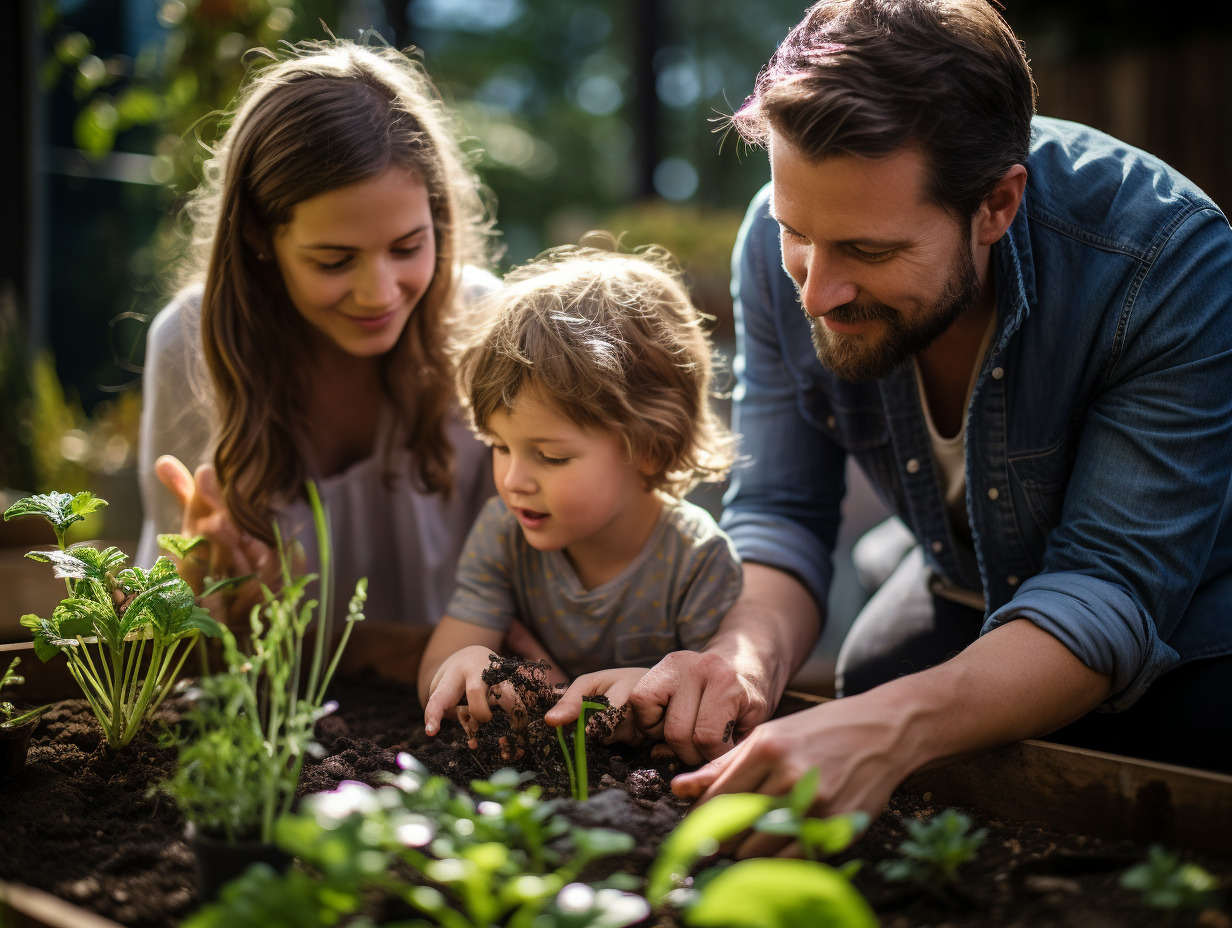
Advanced techniques to maximize the sustainability and efficiency of your garden
Regulating diseases and pests ecologically is a constant challenge for the knowledgeable gardener. Prefer natural solutions such as biological control and plant-based preparations. These methods preserve the balance of your garden while avoiding the use of harmful chemicals for the environment.
Biodiversity is a major asset; to achieve this, stagger flowering to provide a continuous pantry for pollinators. Plant a variety of plants that bloom at different times of the year. This ensures effective pollination and supports the survival of bees and other major pollinators.
For a garden that lives in harmony with its ecosystem, attract beneficial insects. Install shelters for insects and birds that contribute to pollination and natural pest control. Insect hotels, piles of dead wood, and birdhouses are elements that enrich the wildlife of your garden.
Combining plants following permaculture principles can lead to a resilient and self-sufficient garden. Plant associations create synergies that enhance disease resistance and limit infestations. Do not underestimate the potential of a dead hedge to increase biodiversity. It provides habitat for diverse species and serves as a natural barrier against wind and erosion.