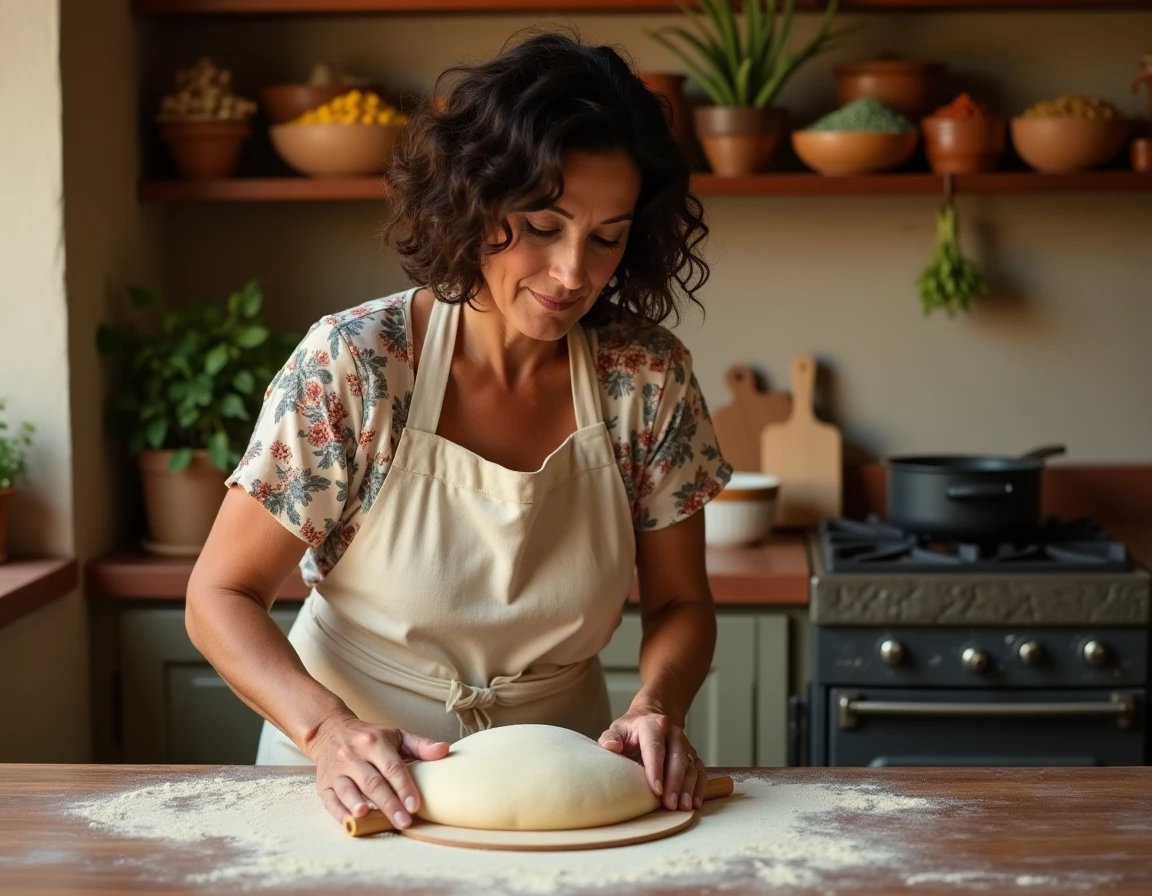
The culinary journey is no longer just about tasting a local dish between two visits to monuments. For several years, we have observed a profound transformation in this segment: travelers want to understand a region, handle the ingredients, and participate in the transformation of the product. This immersive approach redefines how to conceive a gastronomic itinerary, and the recipes brought back carry a depth of meaning that traditional cookbooks struggle to convey.
Fermentation and Terroir: The Technique Behind Local Flavors
A serious culinary journey begins with understanding the transformation processes unique to each region. Lactic fermentation of vegetables in Korea, maturation of miso paste in Japan, aging of cheeses in the Jura caves: these techniques shape aromatic profiles that are impossible to reproduce without the local microbiota.
We recommend targeting workshops where the producer explains the chemistry of their craft. A kimchi-making workshop in Seoul or a day at a mountain cheese dairy teaches more about the authentic flavors of a country than a week of tourist dining.
The World Tourism Organization and the World Food Travel Association highlight this growing demand for participatory experiences that value local terroirs. This shift towards “hands-on” changes the very nature of the recipes brought home: they include gestures, fermentation tempos, and sensory indications that no standard cookbook records.
To explore resources focused on flavors and local products, a useful lead is: https://www.goutsetpassions.fr/, which gathers content oriented towards ingredients and regional culinary techniques.
Travel Recipes: Adapting Ingredients Without Betraying the Dish
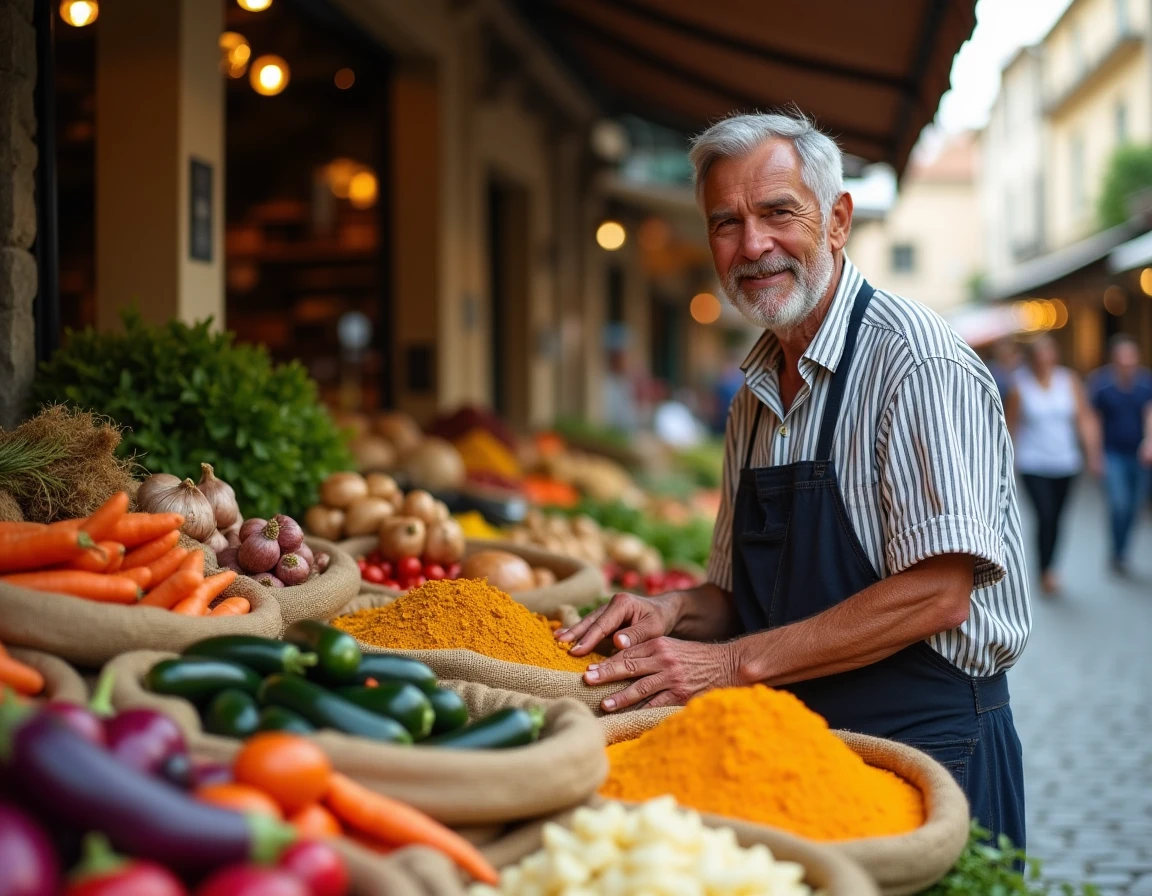
Bringing back a recipe from a culinary journey presents a technical problem that most popular articles overlook: the substitution of local ingredients alters the recipe well beyond taste. Replacing a fresh Mexican chili with dried chili changes the texture of the sauce, its moisture content, and its cooking reaction.
The rule we apply is simple. First, identify the function of each ingredient in the recipe:
- Acidic function (lime, tamarind, rice vinegar): the substitution must respect the target pH, not just the perceived taste. A splash of apple cider vinegar can replace tamarind in a pad thai as long as the sugar is adjusted accordingly.
- Textural function (okra, taro, cassava starch): viscosity and heat behavior matter more than flavor. Replacing taro with potato yields a visually similar but structurally different result.
- Dominant aromatic function (spices, herbs, fermented condiments): this is where fidelity matters most. It is better to order an authentic ingredient online than to cobble together an approximate mix.
This analytical framework transforms how we record our travel recipes. Instead of noting “add chili,” we write “add a thin-fleshed chili, medium capsaicin, role: heat + fruitiness without thickening the sauce.”
The Field Notebook Rather Than the Instagram Photo
We observe that travelers who document dishes with sensory notes (texture, temperature, order of flavors in the mouth) reproduce recipes more accurately than those who rely on photos. A culinary field notebook records the grain of a flour, the color of an oil, the smell of a market. These details guide ingredient choices once back home.
Short Circuits and Sobriety: The Culinary Journey Facing Its Carbon Footprint
A gastronomic journey that ignores its environmental impact becomes contradictory to the terroir philosophy it claims to defend. Recent studies in sustainable tourism confirm that travelers interested in cuisine are increasingly incorporating ecological criteria into their choices.
Three concrete trade-offs arise before planning a culinary itinerary:
- Proximity vs. exoticism: exploring the regional cuisines of one’s own country (farm inns, producer markets, village festivals) offers a significantly better discovery/carbon footprint ratio than a long-haul flight for a cooking class in Southeast Asia.
- Restaurants committed to short circuits: prioritize establishments that display the origin of their products and work with local farmers, rather than tourist spots that import their ingredients.
- Plant-based menus: reducing meat in global dishes (Indian dals, Lebanese mezze, vegetable tempura) constitutes both a culinary discovery lever and an environmental choice.
This sobriety criterion does not impoverish the experience. Mediterranean, Middle Eastern, and East Asian cuisines offer repertoires of plant-based recipes of remarkable technical complexity, often more demanding than cooking an animal protein.
Building a Culinary Itinerary Around a Product, Not a Destination
Most culinary trips are organized by country or city. We recommend a different approach: structure the journey around an ingredient or a family of products. Following olive oil from Andalusia to Crete, then to Tunisia, reveals variations in cultivars, pressing methods, and culinary uses that a single-destination stay does not allow one to perceive.
This logic works with spices (the pepper route between Kerala and Zanzibar), cheeses (alpine transhumance from Savoie to Trentino), or fermentations (soy between China, Korea, and Japan). The product becomes the narrative thread of the journey, and each stop deepens the understanding of a flavor instead of skimming over it.
Inspiring recipes arise from this depth. When one has tasted five differently pressed olive oils in three countries, one never cooks a vinaigrette the same way again. Knowledge of the product transforms the culinary gesture, and this is precisely what a well-designed journey makes possible.