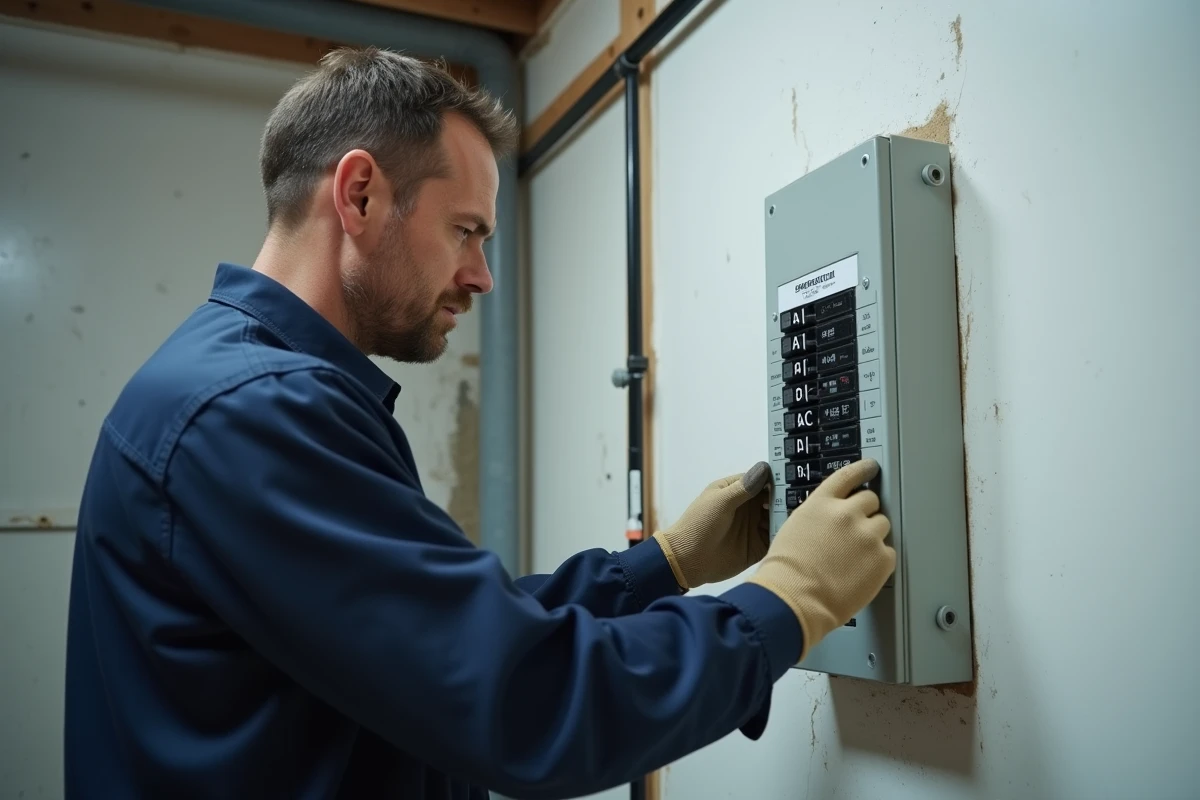
The NF C 15-100 standard requires at least two differential switches in each dwelling: one type AC and one type A. This regulatory requirement often raises the question of what exactly distinguishes these two devices and, above all, whether the normative minimum is sufficient given today’s electrical equipment.
Leakage currents and the limitations of type AC against modern loads
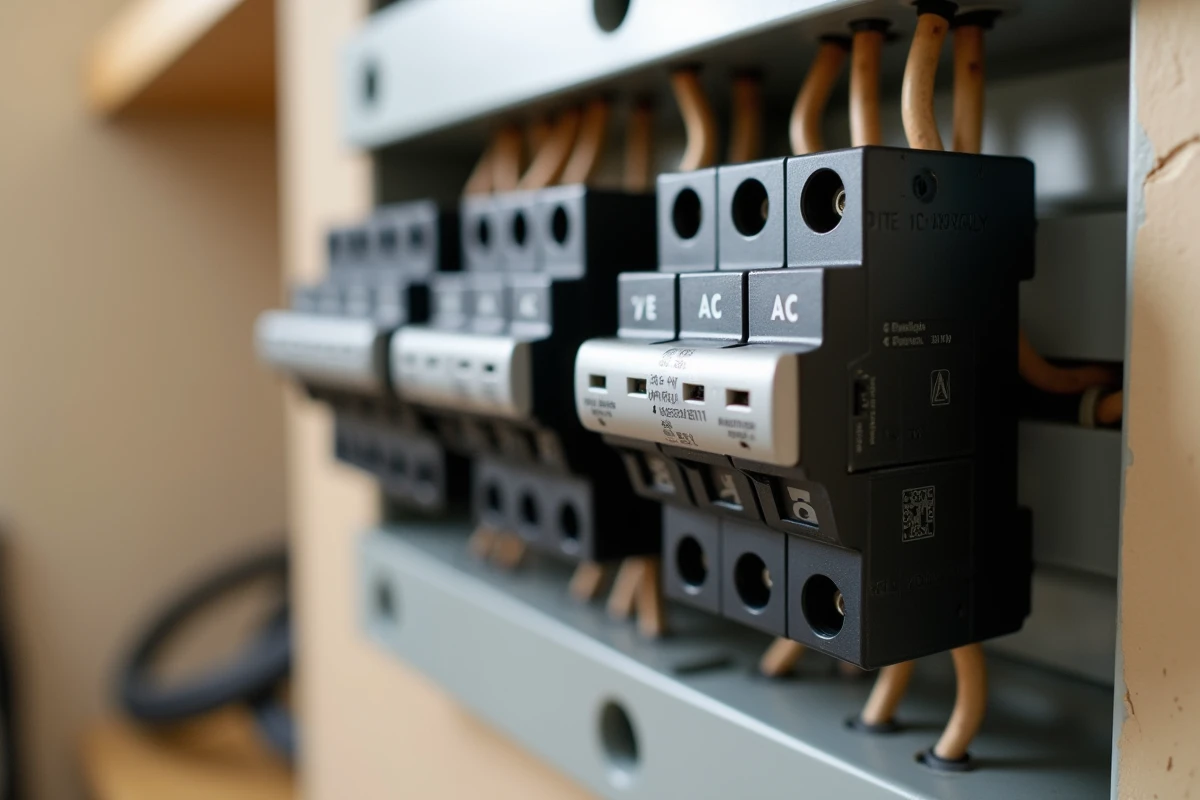
Type AC detects sinusoidal alternating current leaks, that is, the standard current from the grid. Type A detects these same leaks, but also pulsed differential currents or those with a direct current component. The distinction seems theoretical until an oven or induction cooktop causes an AC differential to trip for no apparent reason.
Experiences shared on self-builder forums confirm this phenomenon: some ovens, induction cooktops, and power electronics devices trip type AC differentials, while the same circuit operates normally once switched to type A. The problem lies in the shape of the leakage current. These devices use rectifiers or inverters that distort the wave, making it invisible to an AC device.
Understanding this difference between type A and AC differential circuit breakers prevents recurring unwanted trips and lengthy diagnostics on circuits that are otherwise correctly wired.
NF C 15-100 standard: which circuits require a type A differential
The standard does not leave room for choice for certain circuits. Type A is mandatory for cooktops and kitchens (specialized circuit), washing machines, and since the revision of part 7-722, single-phase electric vehicle charging stations.
For wallboxes, the requirement goes further: type AC is explicitly prohibited. A type A 30 mA device with a minimum 6 mA direct current component detection is required. This point modifies the sizing of the panel as soon as a homeowner considers installing a charging station.
Other circuits (lighting, standard outlets, resistive water heaters) can legally remain under an AC differential. The question is whether this minimum remains relevant.
Generalizing type A across the entire panel: trend or technical necessity
Recent manufacturer and distributor guides point to a clear trend: generalizing type A across most domestic circuits, including those previously assigned to type AC. The reasoning is based on a simple observation. The majority of devices plugged into so-called “simple” outlets (chargers, internet boxes, televisions, LED lights with dimmers) incorporate switch-mode power supplies that generate distorted currents.
An AC differential still protects against a straightforward leak in sinusoidal current. However, it may remain blind to a gradual leak distorted by the device’s electronics. Type A covers this scenario without prohibitive additional costs at the scale of a complete panel.
The real additional cost at purchase
A type A differential switch costs more than a type AC, but the gap has narrowed in recent years. Relative to the number of rows in a standard residential panel, converting all rows to type A represents a moderate investment compared to the overall installation cost. Field feedback varies on this point: some electricians consider the expense unnecessary for lighting circuits, while others prefer to standardize for easier future maintenance.
Differential rating: the common mistake that causes trips
The choice between type A and AC monopolizes attention, but a much more common defect goes unnoticed. Training resources in electrical certification indicate that underrating is one of the most frequent faults in renovations. Installing a 40 A differential where a 63 A is required, given the sum of downstream circuit breakers, causes unwanted trips that have nothing to do with the type of device.
Before choosing between A and AC, it is essential to verify that the rating of the differential supports the cumulative load of the circuits it protects. The basic rule:
- Add up the ratings of all the branch circuit breakers connected downstream of the differential
- If this sum exceeds the capacity of the differential (for example, an overloaded 40 A), switch to a higher rating or distribute the circuits across two rows
- Apply this check to each row of the panel, whether the differential is type A or AC

Electrical panel: what type A and AC distribution to retain
The minimum normative configuration remains one AC differential and one A differential. In practice, a recent residential panel often has three to four rows. Here are the circuits that justify a type A:
- Cooktops and specialized kitchen circuits (mandatory NF C 15-100)
- Washing machines (mandatory NF C 15-100)
- Single-phase electric vehicle charging station (mandatory NF C 15-100, part 7-722)
- Circuits powering power electronics devices (oven, dryer, reversible air conditioning)
Simple lighting circuits and outlets without electronic loads can remain under a type AC. Type AC is not obsolete; it is limited in its detection spectrum. A well-designed panel combines both types based on actual loads, or switches everything to type A to anticipate the evolution of equipment.
The final choice depends less on preference than on a precise inventory of connected devices and upcoming projects (wallbox, heat pump, home automation). A panel sized today for the strict normative minimum will likely need to be revisited in a few years when a new electronic component device is added to the circuit.